
Alternator
A Basic Guide to the Charging System, Testing, Problems, and Safety
The alternator is one of the most important electrical parts in a car. Once the engine is running, the alternator helps provide electricity for the vehicle and recharge the battery. Without a working charging system, a vehicle may continue running for a short time, but eve
A Basic Guide to the Charging System, Testing, Problems, and Safety
The alternator is one of the most important electrical parts in a car. Once the engine is running, the alternator helps provide electricity for the vehicle and recharge the battery. Without a working charging system, a vehicle may continue running for a short time, but eventually the battery will lose its charge and the vehicle may shut off.
The alternator works with the battery, wiring, drive belt, computers, and other electrical parts. Understanding the basics of the alternator can help you recognize charging problems before you start replacing parts.
What Is an Alternator?
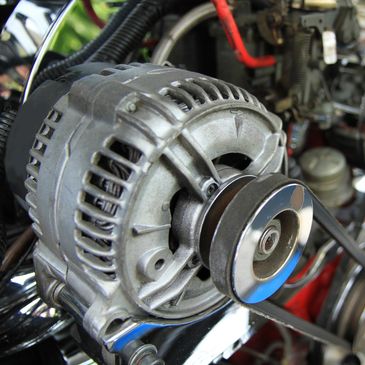
An alternator is an electrical generator driven by the engine.
When the engine runs, a belt normally spins the alternator pulley. Inside the alternator, this spinning movement is changed into electrical energy.
That electricity is used to help operate the vehicle's electrical systems and recharge the battery.
The alternator does not start the engine. The battery provides the electrical power needed for the starter to crank the engine. After the engine starts, the alternator becomes a major source of electrical power.
The battery and alternator work together, but they have different jobs.
How Does an Alternator Work?
Most alternators are driven by the engine's serpentine belt or another drive belt.
As the engine runs, the crankshaft pulley moves the belt. The belt spins the alternator pulley.
Inside the alternator are electrical and magnetic parts. The rotor spins inside the stator and creates electricity.
The alternator actually produces alternating current, also called AC. Vehicles mainly use direct current, called DC. Diodes inside the alternator change the electrical output into DC that the vehicle can use.
A voltage regulator helps control alternator output so the electrical system receives the proper amount of voltage.
Modern charging systems can be much more advanced. The vehicle's computers may control or change alternator output depending on battery condition, electrical demand, temperature, fuel economy, and other operating conditions.
What Does the Alternator Power?
Modern vehicles use electricity almost everywhere.
The alternator helps provide electricity for headlights, computers, fuel injectors, ignition coils, cooling fans, radio systems, power accessories, climate controls, sensors, electric pumps, heated seats, windshield wipers, and many other components.
The more electrical equipment the vehicle uses, the more important the charging system becomes.
The battery helps support the electrical system, but it cannot supply the entire vehicle forever.
If the alternator stops charging, the vehicle begins using the energy stored in the battery. Once that energy becomes too low, electrical systems can begin shutting down.
Eventually, the engine may stop running.
What Is the Voltage Regulator?
The voltage regulator controls charging voltage.
Without proper control, an alternator could produce too much or too little voltage.
Too little charging can leave the battery discharged.
Too much charging can damage the battery and sensitive electronics.
On some alternators, the voltage regulator is built directly into the alternator. On other vehicles, charging control may also involve the engine computer or another control module.
Because modern charging systems can be computer controlled, alternator voltage does not always stay at one exact number.
This is important when testing newer vehicles.
When Should an Alternator Be Checked?
The alternator should be checked when the vehicle has repeated battery problems or charging-system warning lights.
You may notice headlights changing brightness. Electrical accessories may become weak or act strangely. The engine may become difficult to start after driving.
A battery warning light may appear on the dashboard.
Despite its name, the battery warning light does not always mean the battery itself is bad. It often means there is a problem with the charging system.
The alternator should also be checked when a new battery repeatedly becomes discharged.
Do not continue replacing batteries without finding out why they are losing their charge.
Why Do Alternators Fail?
Alternators contain electrical and mechanical parts that wear over time.
Bearings can wear. Brushes can wear on some designs. Diodes can fail. Windings can become damaged. Internal regulators can fail.
Heat is another major enemy of electrical components.
Alternators operate inside hot engine compartments, sometimes for thousands of hours during the life of a vehicle.
Oil, coolant, power steering fluid, and other leaks can also damage an alternator if fluid reaches it.
A damaged drive belt or tensioner can create charging problems even when the alternator itself is still good.
Poor electrical connections can also make a good alternator appear bad.
The Battery and Alternator Work Together
The battery and alternator are closely connected.
The battery stores electrical energy. The alternator produces electrical energy while the engine is running.
A weak or damaged battery can place additional stress on the charging system. A bad alternator can also damage or repeatedly discharge a good battery.
This is why checking both parts is important.
When diagnosing a charging problem, test the battery, alternator, cables, connections, belt, and related charging circuit as needed.
Do not replace an alternator simply because the battery is dead.
Basic Alternator Testing
A digital multimeter can be used as part of basic charging-system testing.
A fully charged traditional 12-volt battery will normally measure around 12.6 volts with the engine off after the battery has rested.
With the engine running, many traditional charging systems may measure somewhere around 13.5 to 14.8 volts.
However, these numbers are only general examples.
Modern computer-controlled charging systems may intentionally raise or lower charging voltage. Some vehicles may sometimes operate close to normal battery voltage and increase alternator output only when needed.
Always use the correct specifications and testing procedures for the vehicle.
Do Not Diagnose an Alternator by Voltage Alone
Voltage is important, but it does not always tell the complete story.
An alternator may produce acceptable voltage with very little electrical load but fail when headlights, fans, and other electrical equipment are operating.
Charging-system testing may include checking alternator output under load.
A technician may also check amperage, voltage drop, computer commands, wiring, and battery condition.
Some alternators can also have failed diodes that create unwanted AC ripple in the electrical system.
Proper testing helps separate an alternator problem from a wiring, battery, belt, or computer-control problem.
What Is AC Ripple?
The alternator creates AC electricity before the diodes change it into DC electricity.
When the diodes are working correctly, very little unwanted AC voltage should remain in the vehicle's electrical system.
A damaged diode can allow too much AC ripple into the system.
This can cause strange electrical problems and may affect sensitive electronic components.
Testing for AC ripple can be useful when a vehicle has charging problems that are difficult to explain with a basic voltage test.
Always follow the correct test procedure and specifications for the vehicle.
The Serpentine Belt Matters
The alternator cannot produce electricity if it is not being driven correctly.
On many vehicles, the serpentine belt turns the alternator.
A loose, slipping, damaged, contaminated, or broken belt can reduce or completely stop alternator output.
The belt tensioner is also important. A weak tensioner may allow the belt to slip.
Pulleys and bearings should also be inspected.
If the alternator is not spinning at the correct speed, replacing electrical parts will not fix the real problem.
Always inspect the mechanical side of the charging system too.
Alternator Bearings and Noise
Alternators contain bearings that allow internal parts to spin.
Worn bearings may create whining, grinding, growling, or other unusual noises.
However, many different engine accessories are driven by the same serpentine belt. A noisy pulley does not automatically mean the alternator is bad.
The noise could come from an idler pulley, tensioner, water pump, A/C compressor, power steering pump, or another belt-driven component.
Locate the source of the noise before replacing parts.
Never place your hands near a moving belt or pulley while trying to locate a noise.
Battery Warning Light
The battery-shaped warning light on the dashboard is commonly misunderstood.
It does not simply say, "Replace the battery."
The light can indicate that the charging system is not operating correctly.
Possible causes can include the alternator, belt, wiring, battery connections, fuse, computer controls, or other charging-system components.
If the battery warning light comes on while driving, the vehicle may be operating mainly from stored battery power.
The vehicle could eventually shut off if the charging problem continues.
Have the charging system checked as soon as possible.
Can a Bad Alternator Cause a Dead Battery?
Yes.
If the alternator does not recharge the battery properly, the battery can slowly become discharged.
The driver may replace the battery and believe the problem is repaired.
The new battery may start the vehicle normally at first. But if the alternator still does not charge, the new battery can also become discharged.
This is why repeated dead batteries should be diagnosed instead of simply replaced.
A battery can also be discharged by a parasitic electrical draw while the vehicle is parked, so alternator failure is not the only possible cause.
Can an Alternator Overcharge a Battery?
Yes.
A charging system that produces too much voltage can damage the battery and electrical components.
Overcharging may cause excessive heat and battery damage.
Modern vehicles contain many expensive electronic modules, sensors, and computers. Incorrect system voltage can create serious problems.
If charging voltage is unusually high, stop guessing and diagnose the charging system correctly.
Wiring and Grounds Matter
The alternator must have good electrical connections.
The alternator's output must travel through wiring and connections before reaching the battery and electrical system.
Loose connections, damaged wires, corrosion, blown fuses, poor grounds, and high resistance can reduce charging performance.
A good alternator cannot properly charge the battery if the electrical path between them is damaged.
Voltage-drop testing can help locate unwanted resistance in charging cables and ground circuits.
Always inspect the complete circuit.
What Is Voltage-Drop Testing?
Voltage-drop testing measures how much voltage is being lost while electrical current is flowing through a circuit.
A cable may look perfectly normal from the outside while having corrosion or damage inside.
A poor connection may also work under a small electrical load but fail when more current is required.
Testing voltage drop on the positive and ground sides of the charging system can help locate these problems.
Finding a bad cable can save you from replacing a good alternator.
New, Rebuilt, and Remanufactured Alternators
Replacement alternators are available in different forms.
A new alternator is built using new components.
A remanufactured alternator starts as a used alternator. It is taken apart, cleaned, inspected, repaired, and rebuilt according to the remanufacturer's process.
Quality can vary.
Choosing the cheapest alternator may not always save money, especially if the alternator is difficult to replace.
A poor-quality replacement that fails early means doing the repair again.
Correct fit, output rating, pulley design, electrical connections, and vehicle compatibility are important.
High-Output Alternators
Some vehicles use high-output alternators because they have large electrical demands.
Police vehicles, emergency vehicles, work trucks, audio systems, off-road equipment, and modified vehicles may require more electrical power than a standard vehicle.
Installing a larger alternator is not always as simple as bolting it in.
Wiring size, fuses, battery capacity, belt drive, computer controls, and electrical loads must all be considered.
Electrical systems should be designed as complete systems instead of changing one part without considering the others.
Alternator Replacement
Alternator replacement can range from simple to difficult.
Some alternators are mounted near the top of the engine with easy access.
Others may be buried underneath engine components, near the radiator, behind brackets, or in other tight locations.
The serpentine belt usually needs to be removed from the alternator pulley.
Electrical connectors and the main alternator output cable also need to be disconnected.
Because the alternator's main power connection can have battery voltage present even with the engine turned off, battery power should normally be disconnected according to the correct vehicle procedure before alternator removal.
SAFETY: Disconnect Battery Power
The large electrical terminal on the alternator may be connected directly or almost directly to battery positive.
This means it can remain electrically live even when the engine and ignition are turned off.
If a metal wrench touches this positive terminal and grounded metal at the same time, a powerful electrical short can occur.
This can create sparks, extreme heat, damaged wiring, burns, or fire.
Follow the correct battery disconnect procedure before removing or installing an alternator.
Many vehicles normally have the negative battery terminal disconnected first, but modern vehicles may require special procedures.
Always check the correct service information.
SAFETY: Wear Proper PPE
Wear proper personal protective equipment when working on the charging system.
Safety glasses should be worn to protect your eyes from dirt, rust, debris, battery material, and unexpected sparks.
Wear appropriate work gloves when working around sharp brackets, hot components, or damaged wiring.
Remove rings, watches, bracelets, necklaces, and other loose metal jewelry before working around battery and alternator electrical connections.
Metal jewelry can create a dangerous electrical short and cause severe burns.
SAFETY: Moving Belts and Pulleys
A running engine contains fast-moving parts.
The serpentine belt, alternator pulley, cooling fan, tensioner, and other pulleys can cause serious injuries.
Keep your hands, clothing, hair, tools, test leads, and jewelry away from moving components.
Never attempt to touch, adjust, or remove a belt while the engine is running.
If testing requires the engine to run, carefully plan where your hands and test equipment will be before starting the engine.
SAFETY: Serpentine Belt Tensioners
Automatic belt tensioners are spring-loaded.
A tensioner can move quickly when pressure is released.
Use the correct tool and understand which direction the tensioner must move before attempting belt removal.
Keep your fingers away from pinch points between the belt, tensioner, and pulleys.
Release tension slowly and carefully.
Never force a tensioner in a direction it was not designed to move.
SAFETY: Hot Engine Parts
Alternators are located inside the engine compartment, sometimes near very hot components.
The engine, radiator hoses, exhaust system, and other parts can remain hot long after the vehicle has been turned off.
Allow the engine to cool before beginning repairs when possible.
Do not place your hands on an unknown component until you know it is safe to touch.
SAFETY: Support the Vehicle Correctly
Some alternators must be accessed from underneath the vehicle.
Never work underneath a vehicle that is supported only by a jack.
Use a solid, level surface. Lift the vehicle from the proper lifting points and support it with properly rated jack stands.
Use wheel chocks when appropriate.
Verify that the vehicle is stable before placing any part of your body underneath it.
Never Disconnect the Battery While the Engine Is Running
An old method of alternator testing was to disconnect a battery cable while the engine was running to see if the engine continued running.
Do not use this method.
Disconnecting the battery from a running modern vehicle can cause electrical voltage changes that may damage sensitive electronic components.
Modern vehicles can contain many expensive computers and electronic modules.
Use proper testing equipment instead.
A digital multimeter and the correct diagnostic procedures are much safer ways to test the charging system.
Do Not Short Alternator Terminals
Never intentionally connect the alternator's positive terminal to ground with a metal tool.
Alternators and batteries can produce large amounts of electrical current.
A direct short can cause sparks, melted metal, damaged wiring, fire, and serious burns.
Use the correct electrical test equipment.
Electrical diagnosis should involve measurement, not creating shorts.
Check the Entire Charging System
An alternator is only one part of the charging system.
Before replacing it, inspect the battery, battery terminals, cables, grounds, fuses, belt, tensioner, wiring, and electrical connectors.
Check for oil or coolant leaks that may have damaged the alternator.
Verify that the battery itself is healthy.
On newer vehicles, diagnostic trouble codes and scan-tool data may also help identify charging-system problems.
The goal is to find the actual cause of the problem.
Understanding the Charging System
The alternator helps keep the vehicle alive electrically after the engine starts.
It turns mechanical energy from the engine into electrical energy. That electricity helps operate the vehicle while also maintaining the battery's charge.
When a charging problem appears, do not automatically replace the battery or alternator. Test the system.
A weak battery can look like an alternator problem. A bad alternator can create a dead battery. A damaged cable can make both parts appear bad. A slipping belt can stop a perfectly good alternator from working correctly.
Understanding how these parts work together makes diagnosis easier and helps prevent unnecessary repairs.
Always remember that charging systems involve electricity, moving belts, hot engine components, and heavy electrical current. Wear proper PPE, disconnect battery power when required, keep tools away from live electrical terminals, and stay clear of moving engine parts.
Learn what the system is doing before replacing parts. Diagnose the problem, make the correct repair, and always put safety first.
Dirty Junky Car
Learn the system. Diagnose the problem. Repair it safely.